Amazon fulfillment, from the factory to the customer's door
This Amazon FBA guide section covers how orders reach customers: Fulfillment by Amazon, shipping orders yourself, dropshipping, prep, freight from overseas and selling abroad from US stock. Each guide works from Amazon's own policies and fee pages, including the changes that took effect in 2026.
How Amazon fulfillment works
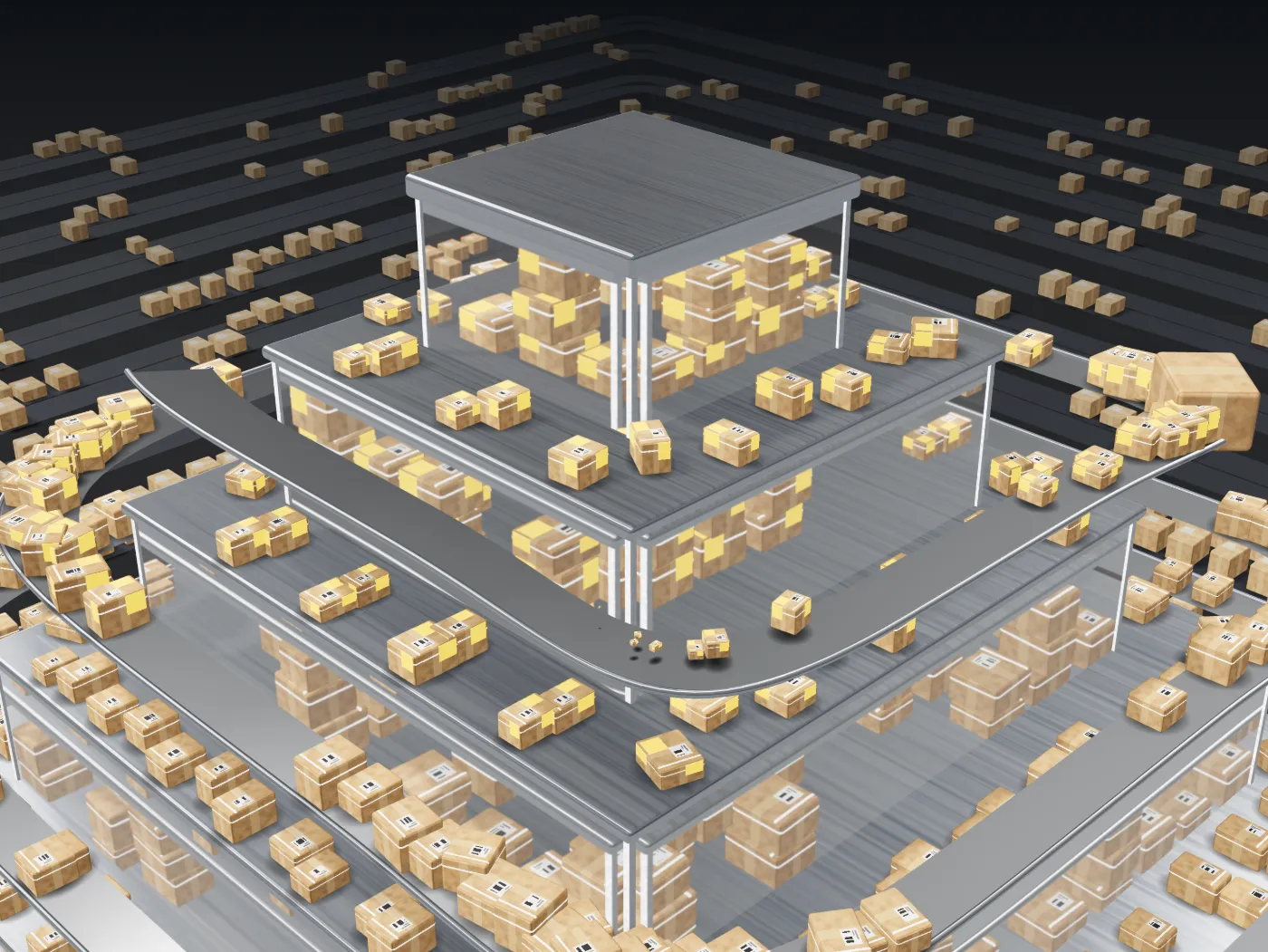
Every Amazon order has to be stored, picked, packed, shipped and supported after delivery. The fulfillment method decides who does each of those jobs. With Fulfillment by Amazon, Amazon does all of them from its fulfillment centers and the product gets the Prime badge. With Fulfilled by Merchant, you do them yourself.
With dropshipping, a supplier ships the order, but you remain the seller of record and own the customer service.
Amazon lets you choose per product and combine methods, and its own guidance is that many sellers use both FBA and FBM. The choice shapes the costs you pay: FBA fulfillment and storage fees on one side; labels, packing, space and labor on the other.
For a small business selling a few products, that can mean FBA for everything; for sellers with heavy items or their own warehouse, a mix is common, and sales, storage costs and customer expectations decide the split product by product.
It also decides which rules you answer to. FBA shipments must meet Amazon's prep, label and receiving rules at the dock. Seller fulfilled orders carry Amazon's performance targets, such as an order defect rate under 1% and a late shipment rate under 4%. Dropshipped orders add the Drop Shipping Policy: only your name on what the customer receives.
For most FBA sellers the work sits at both ends of the journey. Before the shipment: choosing products that fit FBA's size tiers and product rules, prepping and labeling every unit, and getting cartons from the factory to Amazon's fulfillment network under its box and appointment rules.
After it comes inventory management: keeping enough stock to avoid stockouts and low-inventory fees without paying storage and aged inventory surcharges on units that sit in Amazon's warehouses.
In between, Amazon handles picking, packing and shipping, customer service and returns. That is what the FBA fees pay for, and why the cost comparison with shipping orders yourself has to include your own time, space and shipping costs, not just Amazon's fee table.
That is the thread through every guide in this section. Good fulfillment on Amazon means the right method for each product, inventory that arrives the way Amazon requires, and delivery promises you can keep.
Amazon FBA guide: the fulfillment methods compared
| Method | Who stores and ships | Prime badge | Main rules |
|---|---|---|---|
| Fulfillment by Amazon | Amazon | Yes | Prep, labels and receiving rules; FBA fees |
| Seller Fulfilled Prime | You | Yes, after a 30 day trial | 93.5% on-time delivery, 99% valid tracking |
| Fulfilled by Merchant | You | No | Order defect under 1%, late shipment under 4% |
| Dropshipping | Your supplier, blind | Only if the supplier qualifies | Drop Shipping Policy: you are seller of record |
| Remote Fulfillment with FBA | Amazon, from US stock | Yes, in Canada, Mexico, Brazil | Remote fees; customer pays duties |
Amazon recommends starting with small, lightweight products with high turnover and good margins, whatever the method.
Multi-Channel Fulfillment uses your FBA stock for orders from other channels, and Amazon Warehousing and Distribution stores bulk stock and replenishes FBA. The details above were read on the date at the top of this page.
What changed in 2026: prep, fees and barcodes
Amazon's FBA Prep Service page says that from January 1, 2026 it no longer preps or labels FBA inventory in the US, and that unprepped units in later shipments are not eligible for reimbursement if damaged or untraceable. Its 2026 fee summary put the average FBA fee increase at $0.08 per unit from January 15, with no new fee types.
Amazon then announced the end of commingling from March 31, 2026, changing who must use Amazon barcode labels, and a 3.5% fuel and logistics surcharge on FBA fulfillment fees from April 17, 2026. Holiday peak fees run from October 15, 2026 to January 14, 2027.
For seller fulfilled orders, Amazon's Order Performance policy now also requires, from June 29, 2026, handling times that match how fast you actually ship. Guides that tell FBA sellers Amazon will label their products, or that quote last year's fee tables, describe a program that has moved on.
The one line of math every fulfillment choice answers to
cost per order = fees + shipping + packing + storage share
Compare it per product for FBA and FBM, then weigh what the table leaves out: the Prime badge's effect on conversion, and your own time. Amazon's Revenue Calculator does the first part for real products.
The order to set up fulfillment
Choose the method per product
FBA for small, steady sellers; FBM for heavy, slow or custom items; dropshipping to test demand.
Check eligibility
FBA product restrictions, dangerous goods, and approval for gated categories.
Arrange prep and labels
Yourself, your factory or a prep provider; Amazon no longer does it in the US.
Plan the freight
A forwarder or Amazon Global Logistics, with an importer of record and Amazon's box rules.
Send with Send to Amazon
Choose a placement option, print box labels, book the delivery.
Manage stock
About two months of inventory in FBA, restock limits and aged inventory in view.
Watch the metrics
Seller fulfilled targets for FBM and dropshipping; receiving and reimbursements for FBA.
How to tell whether fulfillment is working
Fulfillment works when orders arrive on time and the cost per order leaves a margin. Six numbers, checked monthly, show whether it does:
| Number | Where it is | What a change means |
|---|---|---|
| Fulfillment cost per order | Fee Preview, Payments, your own costs | Whether the method still fits the product |
| Order defect rate | Account Health | Seller fulfilled service quality; keep under 1% |
| Late shipment and on-time delivery | Account Health | Whether delivery promises are kept |
| Inventory in stock | FBA Inventory, FBA Dashboard | Stockouts lose sales and bring low-inventory fees |
| Aged inventory | Inventory reports | Slow stock that surcharges will soon hit |
| Received vs shipped units | Shipment reconciliation | Losses to claim as reimbursements |
Amazon recommends keeping about two months of inventory in FBA. For seller fulfilled orders, Amazon reviews order defects over 60 days, late shipments over 10 and 30 days, and cancellations over 7 days.
FBA operations guides
Start here
- How Amazon FBA works
Six steps, 2026 fees and the prep and barcode changes.
- Amazon FBA vs FBM
Costs, Prime and metrics compared, and how to choose per product.
Fulfillment methods
- Amazon FBM
Shipping orders yourself: targets, Buy Shipping and Seller Fulfilled Prime.
- Amazon dropshipping
The Drop Shipping Policy, costs and how to start compliant.
- Dropshipping Amazon products
Which products to dropship, margin math and delivery speed.
- Amazon private label
Your own brand: manufacturers, Brand Registry and launch.
Getting stock to Amazon
- Amazon prep service
Amazon stopped prepping in the US in 2026: your options now.
- Freight forwarders for Amazon FBA
Box and dock rules, customs, and Amazon Global Logistics.
- Buy UPC codes for Amazon
GS1 barcodes, GTIN exemptions and what Amazon accepts.
- Amazon shipping labels
Box, pallet and carrier labels for FBA and FBM.
Selling abroad and other programs
- Amazon NARF
Remote Fulfillment to Canada, Mexico and Brazil from US stock.
- Amazon commingled inventory
What ended in March 2026, and the barcode rules now.
- Amazon FBA vs dropshipping
Holding stock or not, compared head to head.
- Amazon seller vacation mode
Pausing listings without hurting the account.
Sources first, then the example
- Rules come from Amazon. Every limit, requirement and prohibited term is taken from Seller Central help and linked, with the date it was last read.
- Examples are marked. Worked examples use illustrative products and say so. No client data appears in a guide.
- Dated, and revisited. Amazon changes listing rules and fees. Each guide shows when it was last verified, and fee and policy pages are reviewed at least once a year.
- Corrections are public. If a guide is found to be wrong, it is fixed and the change is noted at the bottom of the page.
Amazon FBA and fulfillment FAQ
What is Amazon FBA?
Fulfillment by Amazon: you send inventory to Amazon's fulfillment centers, and Amazon stores it, ships orders with Prime delivery, and handles customer service and returns.
What is the difference between FBA and FBM?
With FBA, Amazon stores and ships your orders. With FBM, you store and ship them yourself and handle customer service. Many sellers use both, per product.
Does Amazon still prep and label FBA inventory?
Not in the US. Amazon ended its prep and item labeling services on January 1, 2026; products must arrive prepped and labeled.
Is dropshipping allowed on Amazon?
Yes, if you are the seller of record: only your name on packing slips, invoices and packaging, and you handle returns.
What did FBA fees do in 2026?
Amazon raised FBA fees by an average of $0.08 per unit on January 15, 2026, and added a 3.5% fuel and logistics surcharge on fulfillment fees from April 17, 2026.
Can I sell in Canada and Mexico from US FBA stock?
Yes, through Remote Fulfillment with FBA, formerly called NARF, which also covers Brazil. Customers pay the import duties.
Do I need a freight forwarder for FBA?
If you import from overseas, a forwarder or Amazon Global Logistics moves the goods. Either way, you or your appointee must act as importer of record.
What performance targets apply to seller fulfilled orders?
Amazon's Order Performance policy asks for an order defect rate under 1%, cancellation rate under 2.5%, late shipment rate under 4% and valid tracking over 95%.
How much inventory should I keep in FBA?
Amazon recommends about two months of inventory, and a small first batch for a new product.
Which products should not use FBA?
Amazon's FBA guide names alcoholic beverages and tires as ineligible and says dangerous goods typically cannot use FBA; heavy, slow or custom items often suit FBM.
Sources
- Amazon FBA (Fulfillment by Amazon), Sell on AmazonLast verified September 24, 2026.
- Amazon FBA vs FBM: which is right for you?, Sell on Amazon blogLast verified September 24, 2026.
- FBA Prep Service, Seller Central helpLast verified September 24, 2026.
- 2026 US Referral and FBA fee changes summary, Seller Central helpLast verified September 24, 2026.
- Order Performance program policy, Seller Central helpLast verified September 24, 2026.
- Drop Shipping Policy, Seller Central helpLast verified September 24, 2026.
- Fees for Remote Fulfillment with FBA, Seller Central helpLast verified September 24, 2026.